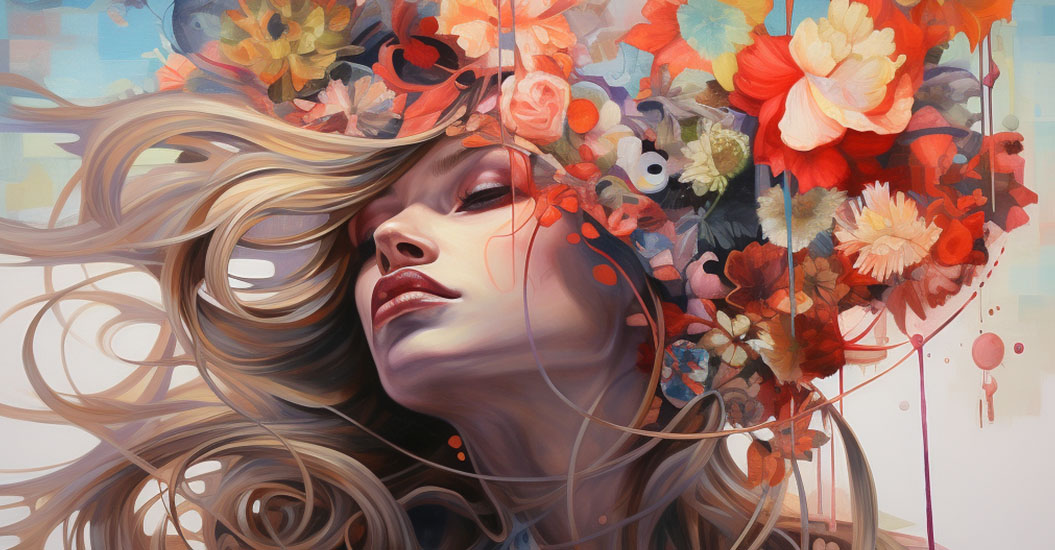
Sublimation is a mental process whereby the energy of the “lower” instincts finds more creative, more “refined” outlets.
Stress, defense mechanisms and sublimation
Freud identified three types of anxiety that a person may experience as a result of intrapsychic conflicts:
- Reality anxiety: it is the result of fear of a real event happening, such as not eating or being stuck in the elevator.
- Neurotic anxiety: it is the result of a fear that is irrational or socially unacceptable, dominates the psyche and leads to actions that may cause shame and perhaps a person be punished for it.
- Moral anxiety: This manifests itself when a person fears that they may behave in a way that violates moral values or social stereotypes.
Instead of living with all this constant stress, the psychic organ uses defense mechanisms to cope with unjustified demands and conflicts between its building blocks. From a revolutionary perspective, defense mechanisms are sometimes seen as adaptive methods of stress management. However, the strong need to use these mechanisms for managing feelings of anxiety may indicate avoiding long-term resolution of the underlying causes. The only mechanism that Freud recognized as having positive effects was denaturation, where a person redirects unacceptable libido energy to other more acceptable goals.
Types of defense mechanisms
Since Freud recognized these psychological defense mechanisms, further study of them by his daughter and other scientists led to many additional ones being studied, including:
-Repel
-Identification
-Permutation
-Regression
Sublimation
It is considered as a “mature” defense mechanism, unlike some other mechanisms, and can positively affect a person’s life.
When the impulses of a person’s “that” are not satisfied, they may be suppressed, but the energy that guides those desires remains. Instead of following these impulses, the individual focuses his energy on more productive, even artistic pursuits. In his Three Essays on the Theory of Sexuality, Freud observed that the redirection of energy toward artistic concerns could contribute to the progress of human civilization and humans individually. While Vincent van Gogh was incarcerated in a hospital, he painted some of his most famous works. Other people may use the transformation of passive aggression into less destructive pursuits, such as physical exercise.
Our brain unconsciously manages our worries. There are many defense mechanisms that we often use without realizing it, to avoid anxiety caused by unjustified impulses of the personality and resulting in guilt caused by the “I” in response to these feelings.
Defense mechanisms such as repression, conversion, and identification are often recognized, but there are more that have been recognized a century before by Sigmund Freud.
Sublimation is a more adaptive defense mechanism that can convert negative stress into positive energy. It is a mature defense mechanism that helps us manage our concerns.
When energy comes to the surface in the form of soul impulses, they may be suppressed, but the energy behind them remains. Instead of turning this energy into socially unacceptable behavior, the person uses the redirection of motivation into more acceptable, productive, and encouraging actions. Freud believed that artists redirect this creative energy into their work. Athletes may also use denaturation to concentrate their energy on productive activities such as training.